


What is Vinyāsa Krama Yoga?
– also known as VKM

Vinyāsa Krama Mandiram Yoga (VKM) is a system developed by long-time yoga practitioner and teacher Matthew Sweeney, drawing on over three decades of deep study and experience particularly within the Ashtanga Vinyasa tradition.
Having practiced and taught Ashtanga extensively, Matthew developed VKM as a way to offer practitioners a more adaptable and sustainable approach, while still honoring the essence of breath-led movement, self practice, and intelligent progression.
VKM features a collection of carefully structured asana series, each thoughtfully designed to suit different physical conditions, levels of energy, and stages of life. Each sequence can be scaled up or down dependent on student's needs. It is a practice that requires commitment to self practice and consistency to really feel the depth of the system and see the benefits.
Central to the VKM approach is the use of ujayi breath to link breath and movement. The system also places emphasis on pranayama, meditation and self practice.

Asana - Physical Practice
This approach to asana (physical postures) emphasises movement guided by ujayi breath. It is traditionally taught through a self-practice model, supported by led classes. In this way, students are encouraged to move with their own breath, learning each sequence gradually, over time and in stages.
There are four foundational sequences within this method:
-
Chandra Krama (Moon Sequence)
-
Bala Simha Krama (Lion Cub)
-
Simha Krama (Lion)
-
Atapa Krama (Sunshine)
Each series is designed to support physical, energetic, and emotional balance, and can be tailored to the needs of individual students. The asana practice is further supported by pranayama (breath regulation techniques) and Kevala Kumbhaka (a breath retention practice that serves as a gateway to meditation).
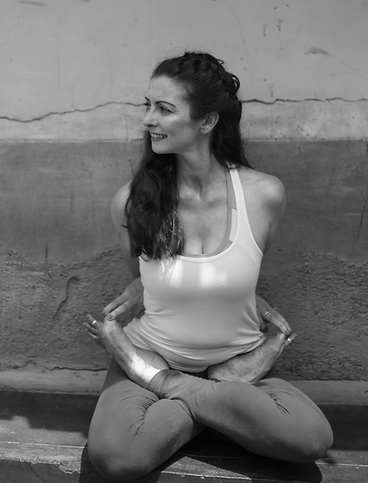

Pranayama – breathing sufficiently
Pranayama is interwoven into the asana practice itself. As students move through postures, attention is given to maintaining an even, steady breath, inhaling to a count of one, two, three, followed by a pause (stambha), using the soft constriction of ujayi breath to support stability and ease.
In addition to this breath awareness within movement, there are four foundational pranayaama techniques taught as seated practices. These are typically practiced at the end of an asana session, but are also encouraged to be taken as a standalone practice once a week, on that day, no physical (asana) practice is done.
The four core practices are:
-
Ujjayi
-
Viloma
-
Block Breathing
-
Visamavritti
More details on these techniques are offered in class. They are accessible to everyone, regardless of experience. As my teacher Matthew Sweeney often says:
“They are easy to learn, but hard to master.”

Class Structure
A typical led class follows this structure:
-
Opening prayer - to give respect to the tradition
-
Opening pranayama – to settle the mind and body
-
Asana Practice – breath-led movement through one of the foundational sequences
-
Closing pranayama – a longer breathwork session to regulate energy
4. Savasana or Meditation – for integration & stillness